by Ania
What is menstruation?
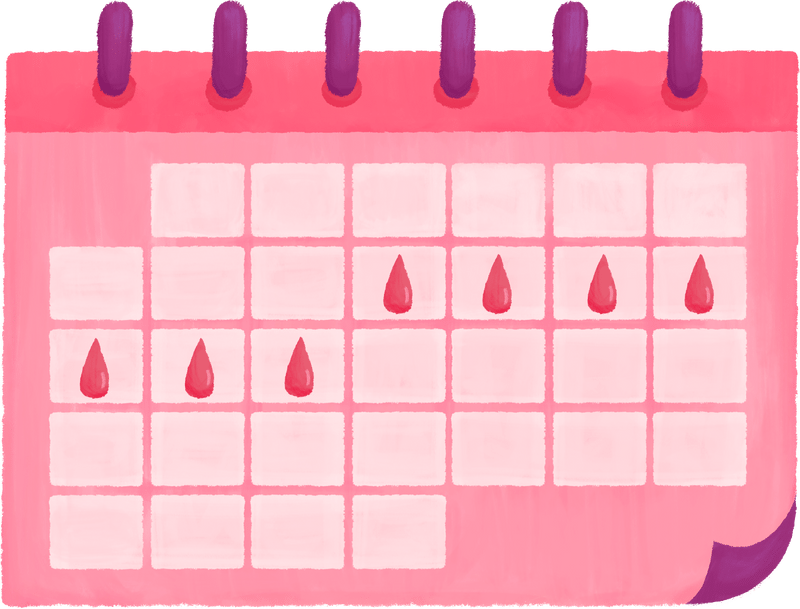
Menstruation is the monthly shedding of the lining of your uterus. Menstruation is also known by the terms menses, menstrual period, menstrual cycle or period. Menstrual blood — which is partly blood and partly tissue from the inside of your uterus — flows from your uterus through your cervix and out of your body through your vagina.

Uterus
Menstruation is driven by hormones. Hormones are chemical messengers in your body. Your pituitary gland (in your brain) and your ovaries (part of your reproductive system) make and release certain hormones at certain times during your menstrual cycle.
These hormones cause the lining of your uterus to thicken. This happens so that if a pregnancy would occur, an egg can implant into your uterine lining. Hormones also cause your ovaries to release an egg (ovulation). The egg moves down your fallopian tubes, where it waits for sperm. If a sperm doesn’t fertilize that egg, pregnancy doesn’t occur. The lining of your uterus breaks down and sheds. This is your period.
Some people experience symptoms of menstruation and others don’t. The intensity of these symptoms can also vary. The most common symptom is cramps. The cramping you feel in your pelvic area is your uterus contracting to release its lining.
Other signs you’re getting your period are:
- Mood changes.
- Trouble sleeping.
- Headache.
- Food cravings.
- Bloating.
- Breast tenderness.
- Acne.
It is a taboo subject in this society where it is necessary to talk about it to the little girls who will live this moment
Learn more about your periods with our related articles









Laisser un commentaire